
ERA-Shuttle project's Summer School 2026
The ERA-Shuttle project is pleased to announce its upcoming 5-day Summer School. The focus of this summer school is on “Career and Personal Growth for Human-Centric Leadership in the European Research Area (ERA)”. This training event will deliver a capacity building to bridge today’s technical expertise and tomorrow’s strategic research leadership.
Dates: 5th – 9th October 2026
Location: University of Malta Valletta Campus
Aimed for: Researchers, Research Managers & Administrators (RMAs), and R&I support professionals
In a rapidly evolving research landscape shaped by AI and its societal impact expectations, this Summer School will equip participants with the skills to:
- Navigate a career path from operational roles to strategic leadership
- Augment academic and research management careers with AI’s latest advancements
- Strengthen your skills in developing impact-driven, value-aligned research funding proposals
- Analyse your cognitive resilience and digital well-being in the era of AI
Through an interactive programme combining expert insights, hands-on workshops, and peer exchange, participants will explore:
- Strategic intelligence and employability in ERA
- Career planning across sectors
- Human-centric capacity building
- Wellbeing in AI-augmented work environments
This Summer School contributes to the ERA-Shuttle mission of strengthening research and innovation capacity across Europe and fostering sustainable, cross-sectoral collaboration.
Below is a short summary of the topics to be discussed.
Day 1 (Monday, October 5, 2026):
Topic: Collaboration for Career Development, Career Resilience, and Sustainable Skill Management
Day 2 (Tuesday, October 6, 2026):
From Practical Tools to Strategic Orchestration and regulation – Generative AI in higher education
Day 3 (Wednesday, October 7, 2026):
Use of LLMs (Beginner & Advanced) under Data Protection with Local Solutions & under the EU AI Act and ethical principles.
Day 4 (Thursday, October 8, 2026):
From Mobility to Impact: Lessons from ERA Talent projects
Day 5 (Friday, October 9, 2026): Knowledge Transfer and Valorisation Strategies
Registration deadlines:
- September 8, 2026 for the University of Gdansk, Poland
- September 11, 2026 for the University of Split, Croatia
- October 1, 2026 for the University of Malta, Malta
Please note that spots are available subject to availability.
The third edition of the ERA Shuttle Summer School took place from 5-9 October 2026 and was hosted by the University of Malta. Through a combination of presentations and practical workshops catered to the reality of a high-pressure research workplace, this week-long training program empowered researchers. The development of soft skills, the ethical use of AI productivity tools, research funding techniques, technology transfer, innovation, and entrepreneurship were among the many topics covered by the participants. All of the workshops were intended to promote collaboration, help boost careers in research and innovation, and close the gap between academia and business.
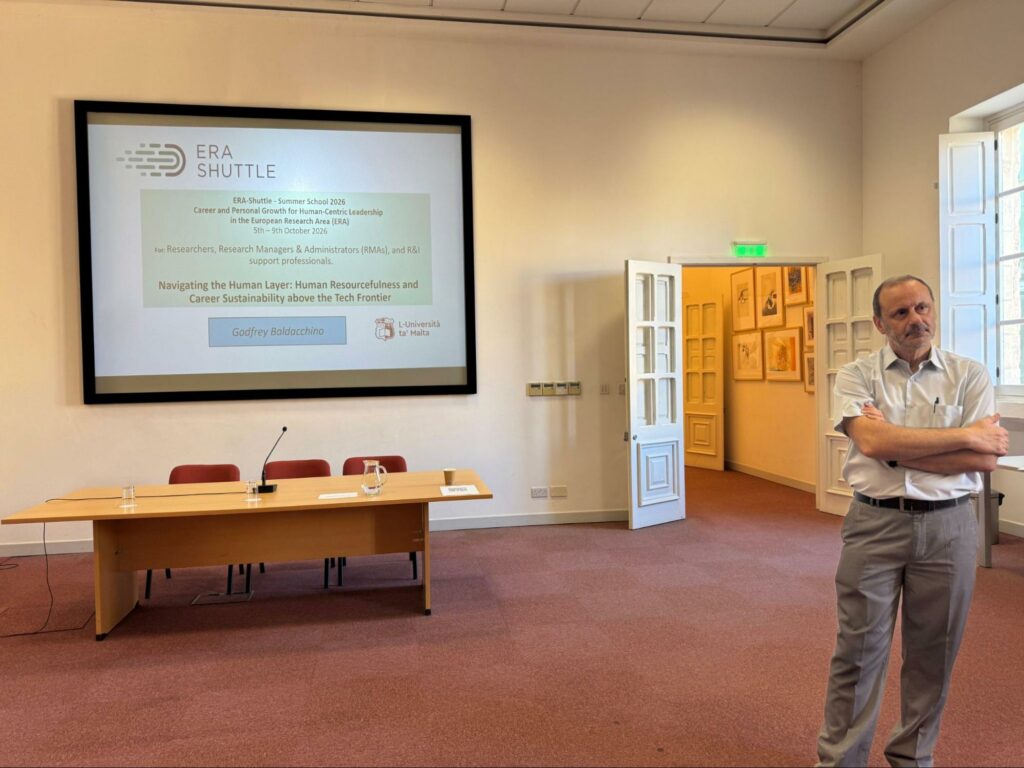
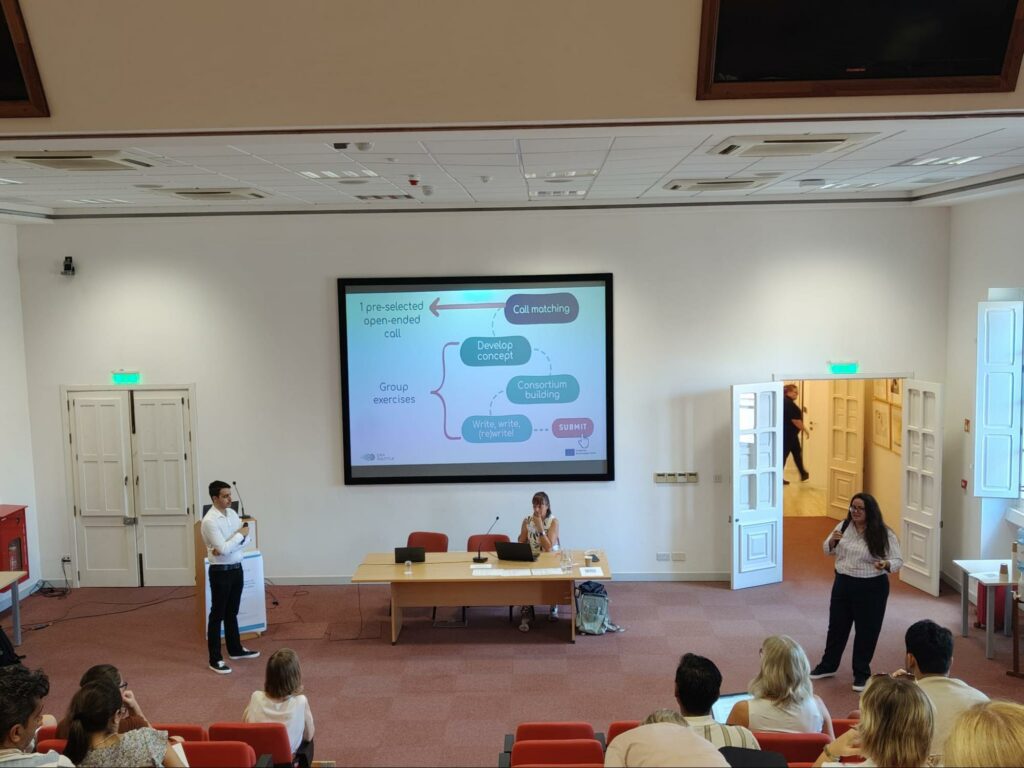
Prof. Godfrey Baldacchino opened the ERA Shuttle summer school by exploring human resourcefulness and career sustainability above the technology frontier. Rebecca Zammit, Director of Operations at AcrossLimits, and Alexander Camilleri, Director of Business Development at AcrossLimits led the second session. They guided the group through a series of logical, step-by-step sessions that broke down the process of producing an EU application into manageable chunks. The goal was to make sure that participants understood the methods and reasoning behind every aspect of preparing a proposal, including concept creation, consortium building, drafting project objectives and KPIs, creating an Impact and Dissemination plan, and establishing the project Work Plan.
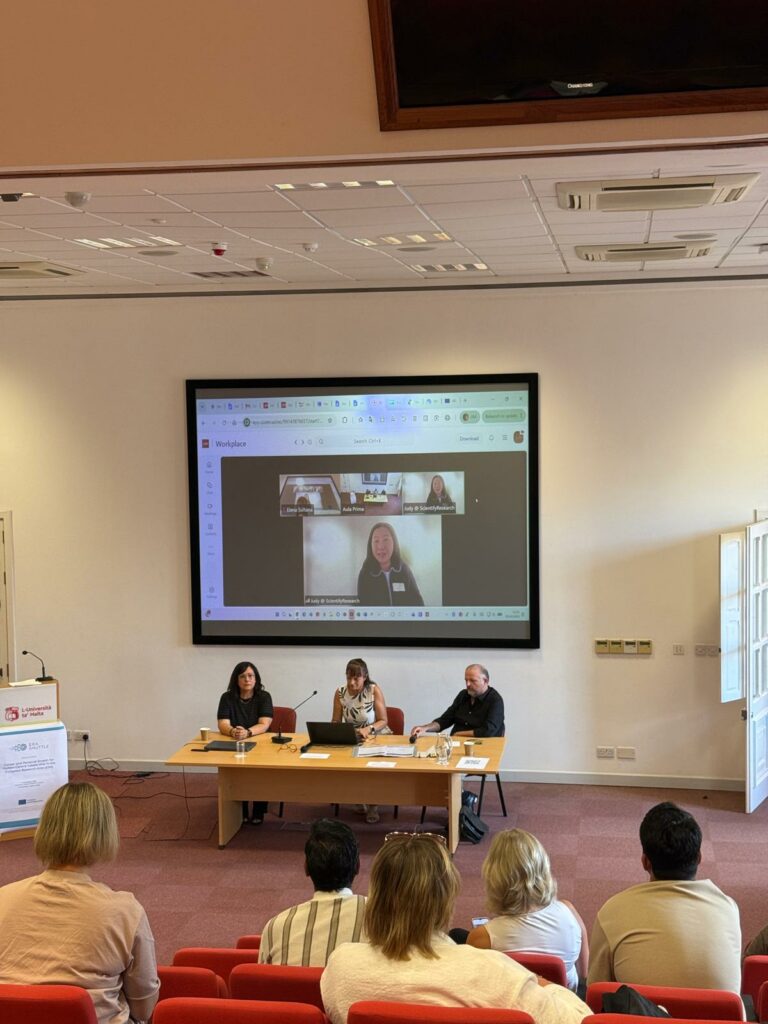
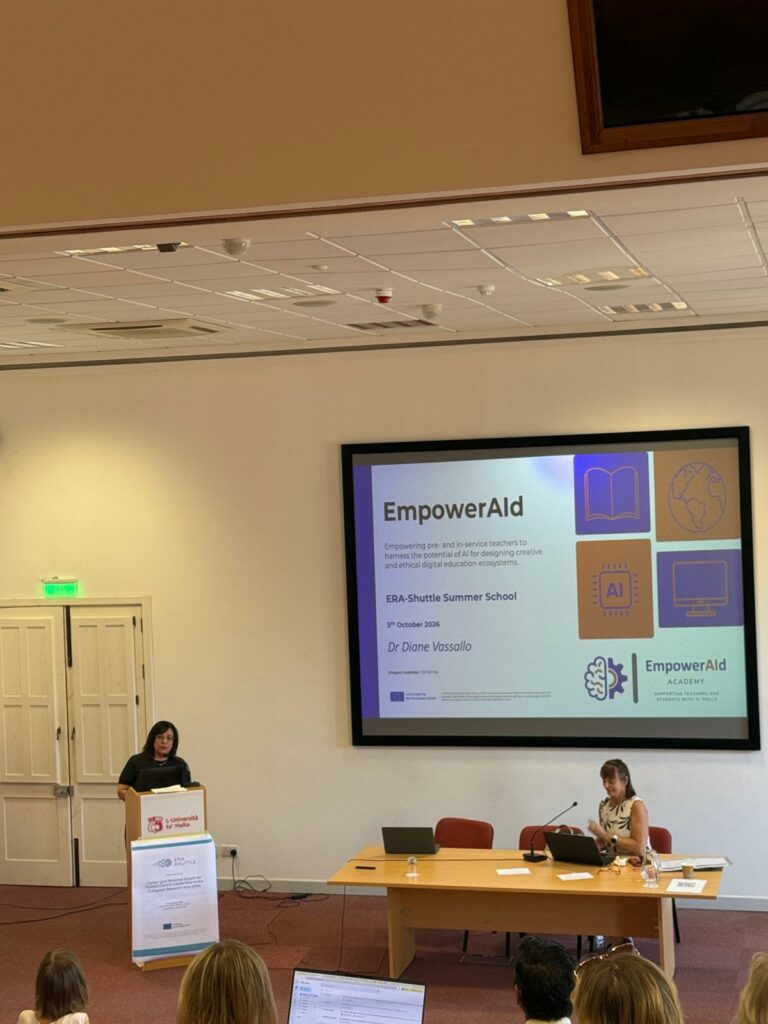
The afternoon session consisted of Zuzana Cernakova’s presentation featuring the EARMA Academy. The presentation focused on shaping career pathways and professional development for Research Managers and Administrators (RMAs) and researchers. Dr Diane Vassallo, a representative from the EmpowerAid academy featured the EmpowerAid Erasmus and teach academy project and shared insights into the project’s outcomes. The first day concluded with a round table discussion between Dr Diane Vassallo, Dr Judy Mielke and Prof. Gordon Pace discussing how AI is affecting researchers.
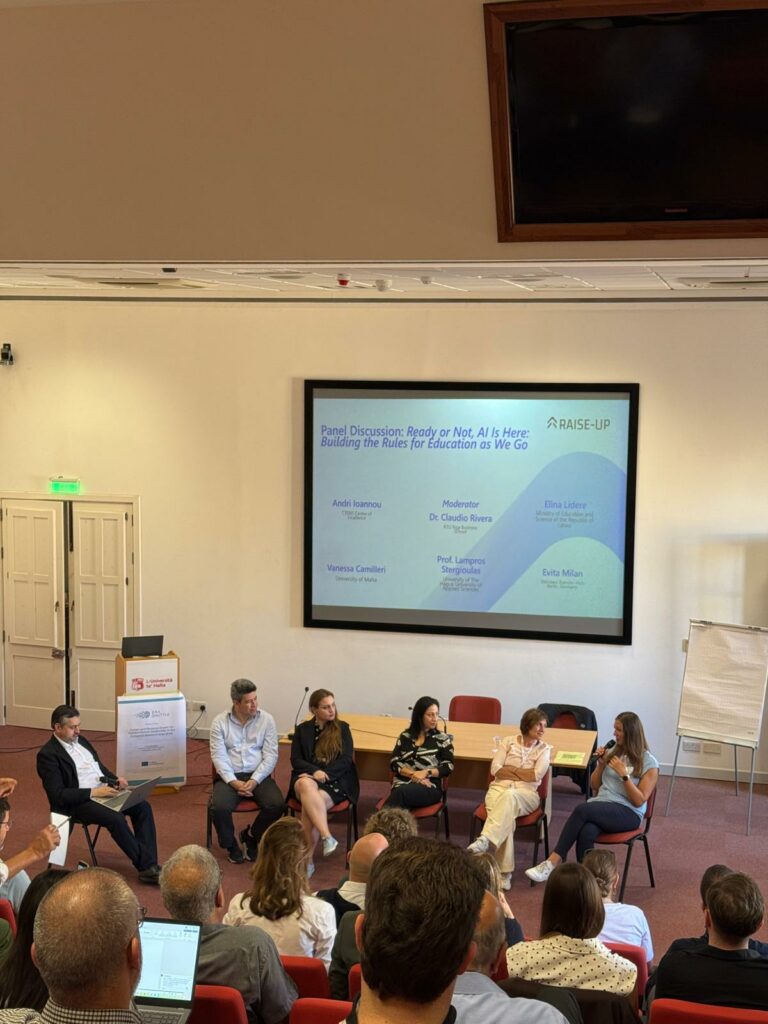
Dr Claudio Rivera, Director of the RTU RBS MIT J-WEL Project from Riga Business School opened the second day by introducing the RTU project. Dr Rivera’s introduction proceeded to a panel discussion between Prof. Matthew Montebello from University of Malta, Prof. Lampros Sterigoulas from THUAS, Evita Milan from Steinbeis Transfer-Hub Berlin, Elina Lidere from Republic of Latvia and Andri Ioannou from CYENS. Daniel Mertens from Schiller & Mertens concluded the second day with his presentation on how to use Large Language Models (LLMs) and sharpen research decisions.
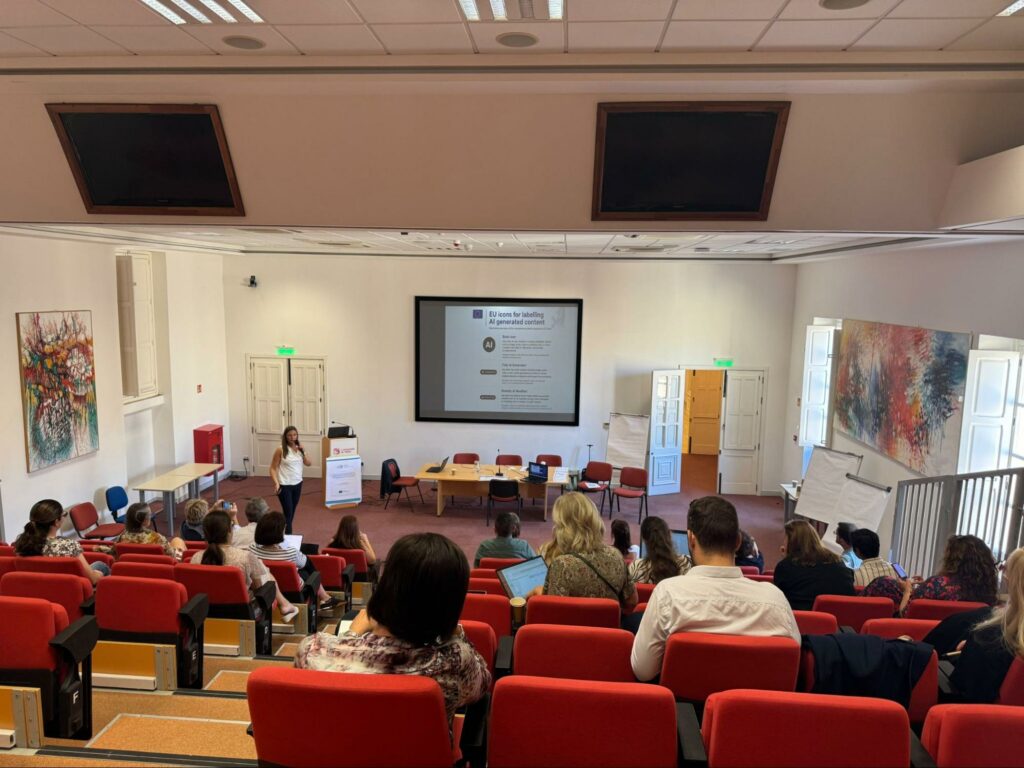
The third day focused on the use of LLMs for beginner and advanced users covering data protection through local solutions, the EU AI Act and ethical principles, under the guidance of Daniel Mertens. The following session was led by Evita Milan as she explained the EU AI Act and responsible use of AI in research.
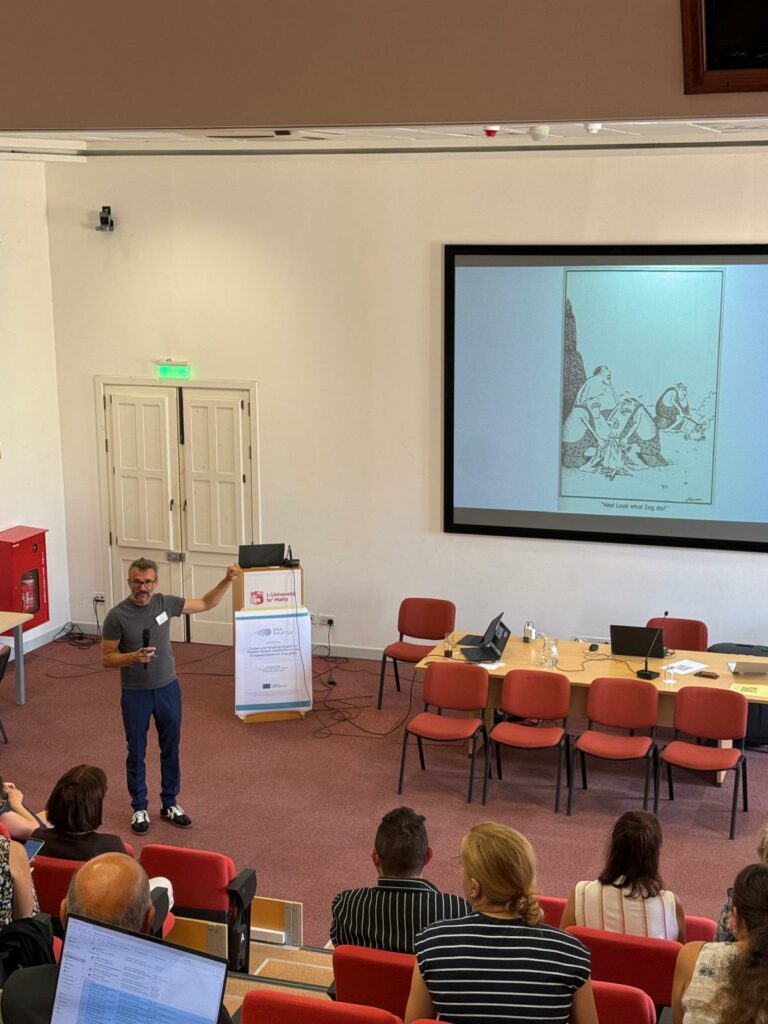
The fourth day featured presentations of the ERA Talent 2022 and ERA Talent 2024 projects, followed by panel discussions moderated by Marina Coricciati from CERIC-ERIC. The sessions explored secondment experiences, effective capacity-building methodologies, lessons learned, and institutional best practices. The sessions also focused on addressing administrative barriers and promoting lasting structural change in Widening countries. Speakers included Andreja Jagnjić, project implementation expert advisor of ERA Shuttle, Janika Leoste from Tallinn University, Marija Radosavljević from University of Nis, Lukáš Daubner from University of Tartu, and Tăchiţă Vlad-Bubulac from Petru Poni Institute of Macromolecular Chemistry, Romanian Academy. Håvard Almås, researcher and consultant at House of Knowledge led the afternoon session by introducing participants to a serious game for technology transfer. The game was an interactive business simulation which gave the participants an opportunity to share experiences and perspectives at the intersection of research and business. They were able to learn from each other, and explored exploitation pathways in a safe environment.
The Summer School concluded its final day by spotlighting Entrepreneurship, Commercialisation and Knowledge and Technology Transfer. Sessions by Bernard Denis and David Gardiner, both from ASTP, and Angela Zennaro from CERIC-ERIC who looked at various related aspects, from building projects with AI tools, pitching to investors and research funders, bridging the gap between scientific research and non-academic stakeholders, and the fundamentals of innovation, entrepreneurship, and entrepreneurial spin-off skills.
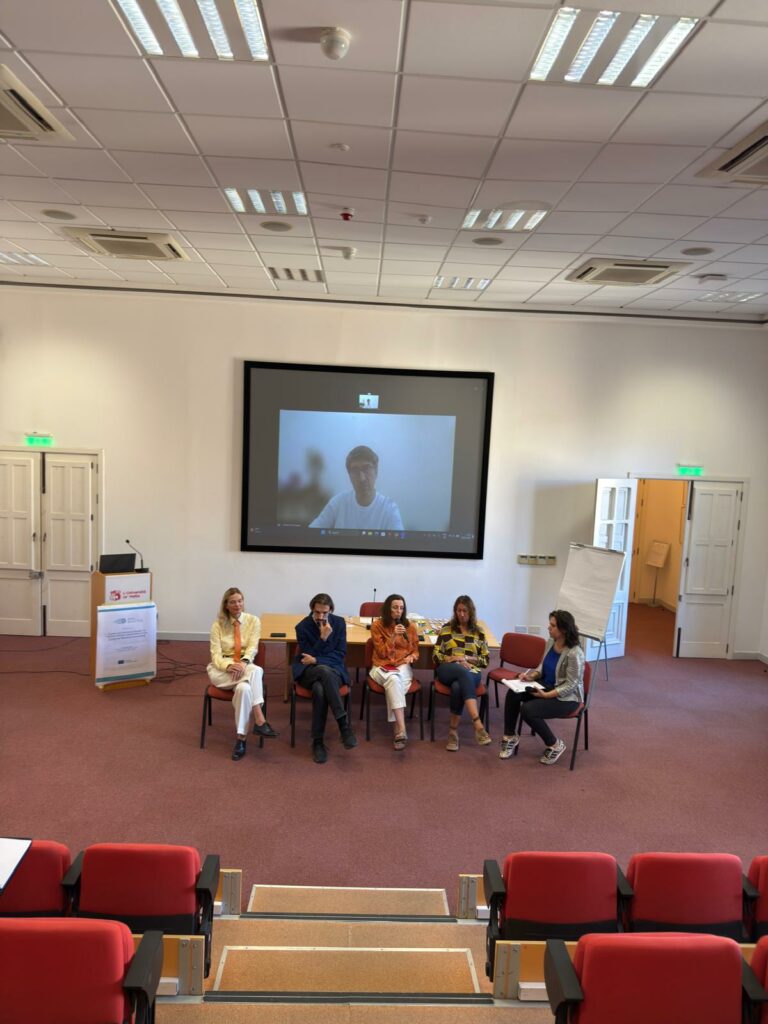
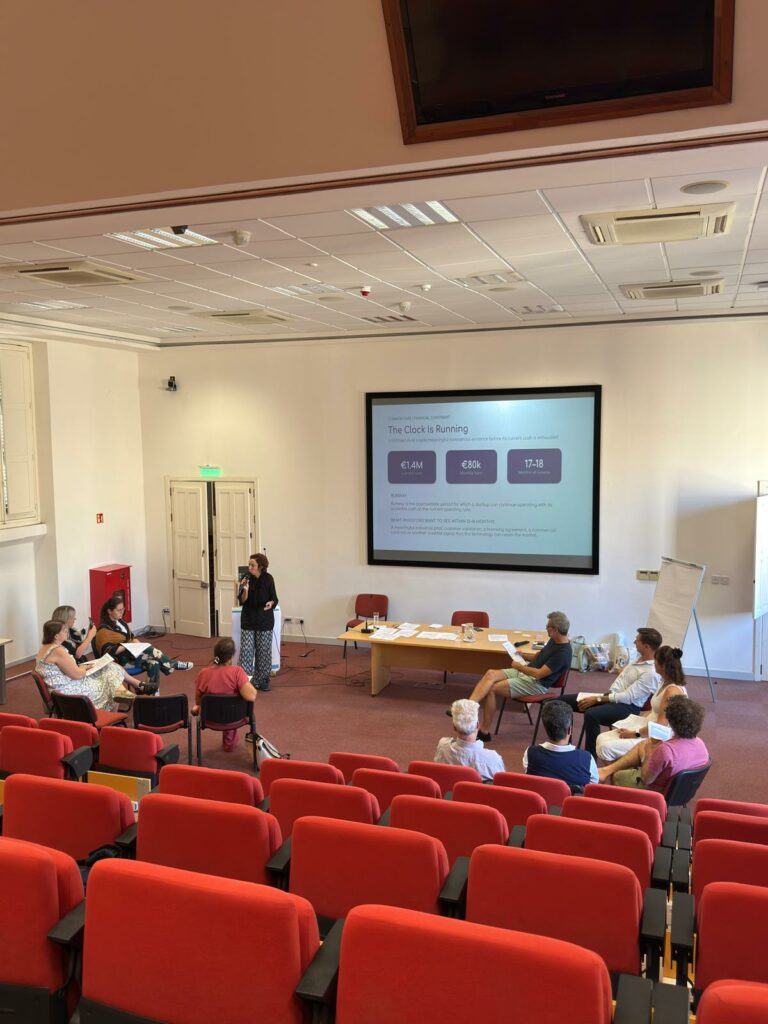
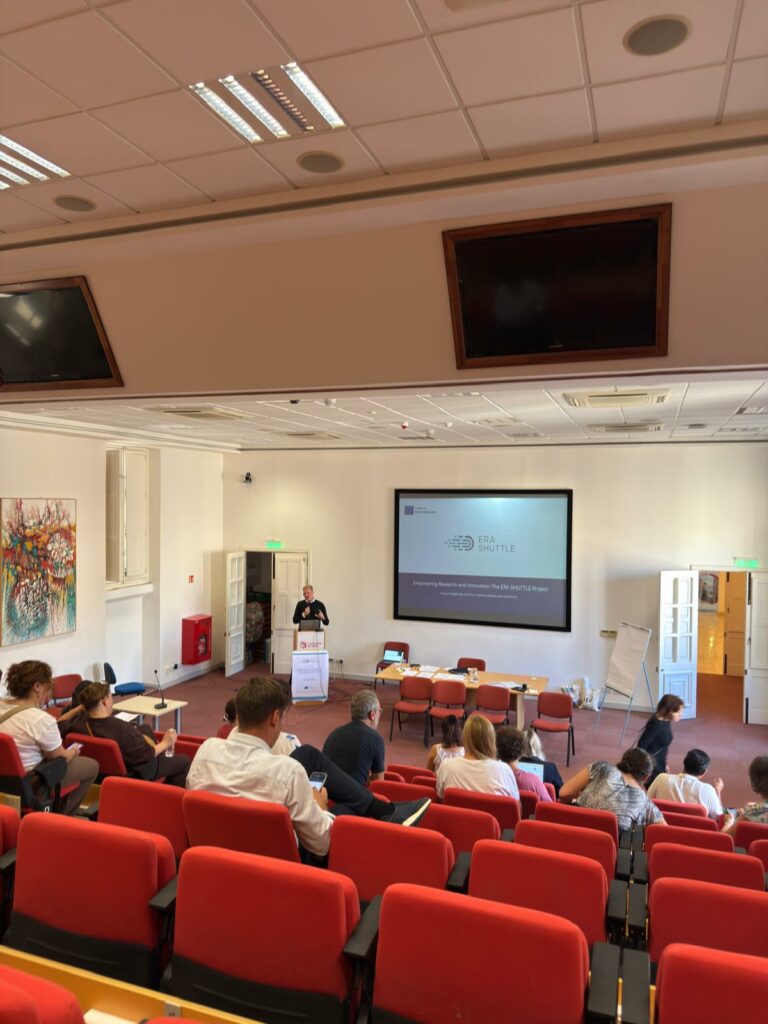
Over 60 researchers, research managers, and technology transfer officers had the chance to participate in insightful discussions and educational opportunities during the Summer School, which highlighted the R&I potential made possible by European cooperation. We now continue to encourage staff members of the Universities of Malta, Gdańsk and Split to take the final opportunity in applying to carry out their own secondment –a three- to six-month work experience placement with an industry partner with an emphasis on their professional and personal growth.